
Bright Futures
Every child has a spark
School is where that spark is given room to grow. It’s where quiet children learn to speak up, restless children learn to work together, and curious children learn that wonder is something to be proud of.
School is more than a classroom
Remember the teacher who saw something in you?
Most of us can name one. The coach who believed in us. The music teacher who handed us a solo before we thought we were ready. The adult who looked at a ten-year-old and saw a future. It happened because a school made room for it.
Sports
On the field, they learn they can get back up.
There's a moment after a missed shot when a child looks over at the sideline, wondering if they still belong. Then a teammate pulls them to their feet. A coach says, "Next one." And they run back out.
That's where grit is born. Long after the final whistle, they'll carry it into job interviews, hard seasons, and every time life knocks them down.

Perfoming Arts
On the stage, they find their voice.
Picture a girl who barely speaks in class, standing alone in the spotlight. Her hands are shaking. Then she plays the first note, or speaks the first line, clear and strong, and the whole auditorium holds its breath.
In the band room, the choir loft, and the school play, children learn that something beautiful takes practice, patience, and the courage to be seen and heard. They walk off the stage a little taller than they walked on.

Academic Teams
Together, they learn that hard isn't the same as impossible.
A team of kids huddles around the robot they spent weeks building. It sputters, stalls, and then, finally, rolls forward. The room erupts. A boy who struggled with a math problem all week suddenly lights up: "Wait, I've got it!" Goggles on, a group watches their experiment fizz to life.
These are the moments children discover their minds can solve whatever comes next. Every question they chase today is a step toward the doctors, engineers, and inventors who will care for our families and build our tomorrow.
Healthy, Safer Community
Happier, healthier lives: The OECD links higher education and stronger skills to better health, and greater life satisfaction.
The Research:
Confident, well-rounded people: Teens in school-based arts activities had 59% higher odds of strong social support. Among young adults, more arts engagement predicted later improvements in flourishing and social wellbeing.
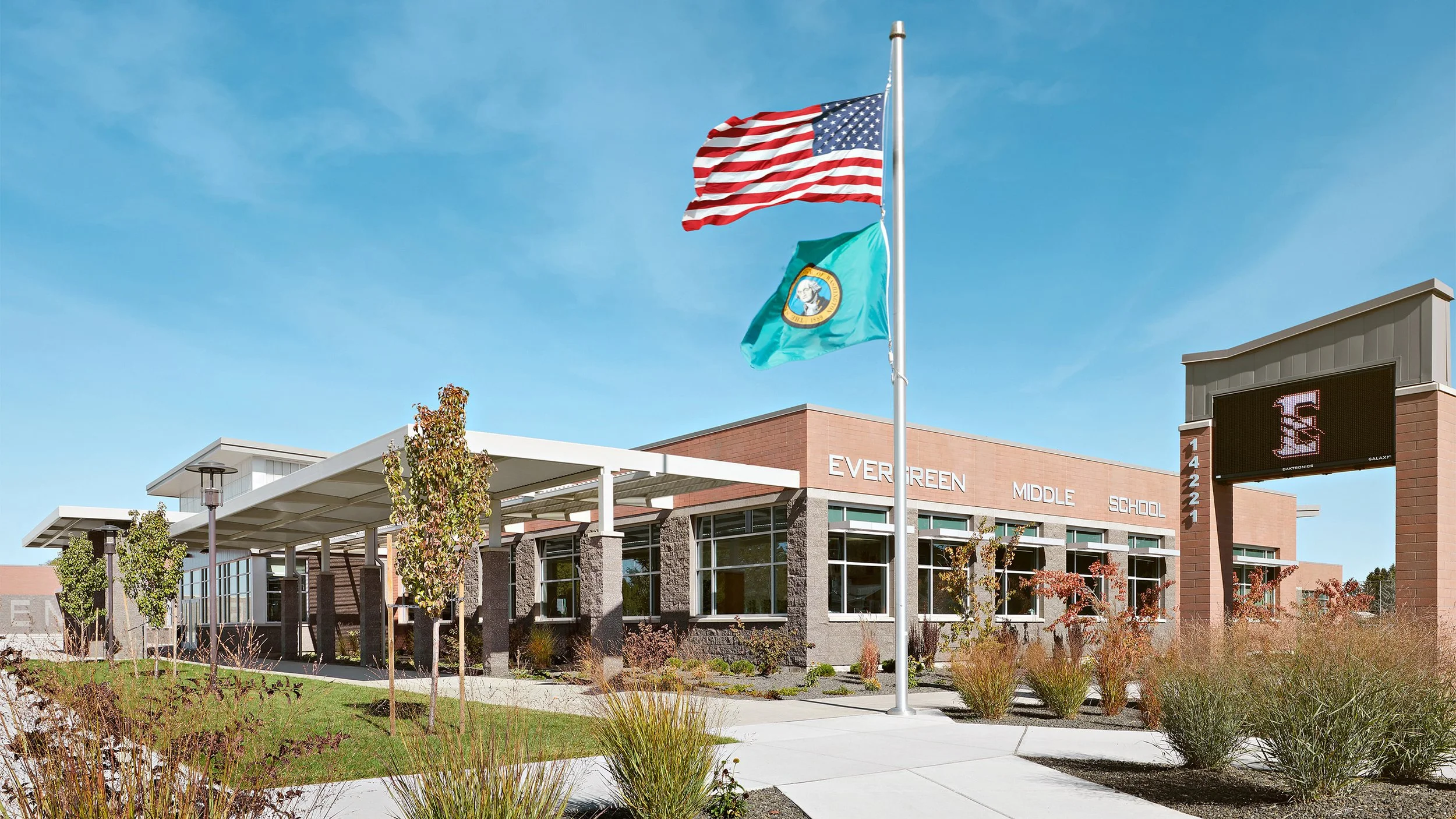
Success in life takes more than good grades. In our schools, students learn to manage their emotions, build healthy relationships, solve problems, and make responsible decisions.
Better-Funded Schools Means Less Crime
A 2022 University of Michigan study followed students for decades. Students whose elementary schools received more funding had more experienced teachers and smaller classes, did better in school, and were 15% less likely to be arrested by age 30.
The Research:
The savings from less crime alone were greater than the cost of the extra school funding. In other words, the investment paid for itself.
Schools do quiet work that rarely makes headlines.
They feed kids who might otherwise go hungry.
They spot signs of abuse or neglect.
They connect families to services before small problems become crises.
Every one of those interventions is cheaper than what happens when no one steps in.
Education is one of the most reliable paths out of poverty. A good school can give a child from a struggling family a real shot at the same opportunities as a child from a comfortable one. Without that, disadvantage tends to pass from one generation to the next.
Breaking the Cycle of Poverty
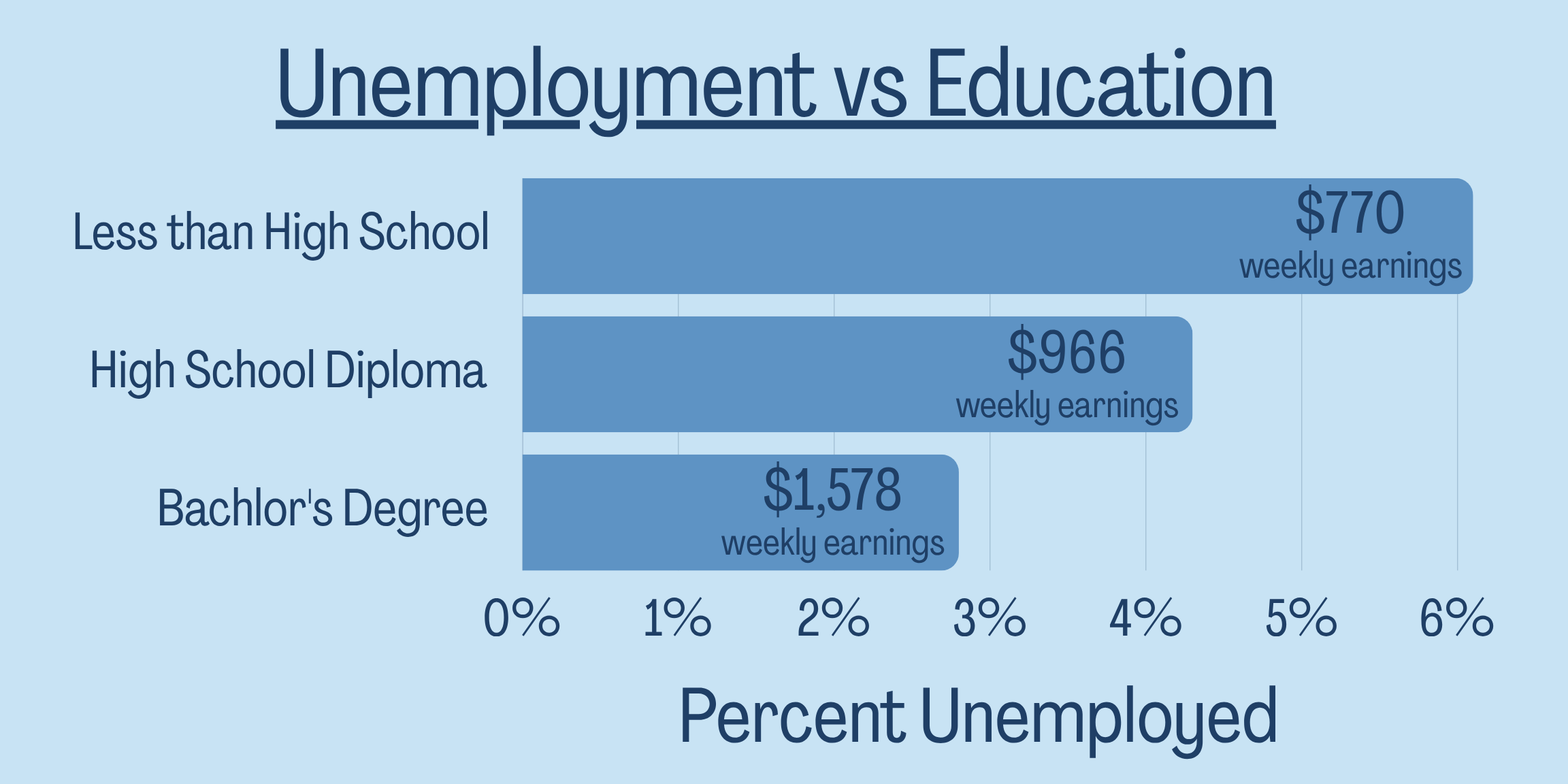
When that cycle breaks, the whole community gains: another skilled worker, another taxpayer, another customer for local businesses, and one less family that needs public assistance. Strong schools turn potential that might have been lost into growth we all share.